

Uganda—affectionately known as the Pearl of Africa—is a land of remarkable natural beauty, and its more than 165 lakes are among the country’s most captivating attractions. These bodies of water are far more than scenic backdrops. They pulse with life, culture, and adventure, offering a serene counterbalance to the thrill of traditional wildlife safaris.
From the expansive waters of Lake Victoria, Africa’s largest lake, to the peaceful crater lakes of Fort Portal, Uganda’s lakes cater to every type of traveler. Whether you’re seeking a peaceful escape, a base for birdwatching, or an immersive cultural encounter, these lakes are integral to understanding Uganda’s diverse ecosystem and heritage.
Lakes support vibrant local communities through fishing, agriculture, and tourism. They are also ecological sanctuaries, home to hippos, otters, crocodiles, and hundreds of bird species. For safari-goers, they offer a unique chance to combine land and water experiences, enriching any itinerary.
In this guide, we explore the top lakes to visit on your Uganda safari. You’ll find practical travel tips, top activities, and handpicked accommodations for each destination. Whether you’re heading out for gorilla trekking, game drives, or a relaxing getaway, these lakes provide the perfect complement to your adventure.
Let’s dive into Uganda’s most mesmerizing lakes—natural treasures waiting to be discovered.
adventures.
1. Lake Victoria – Africa’s Largest Lake
No exploration of Uganda’s lakes is complete without mentioning Lake Victoria—the largest lake in Africa and the second-largest freshwater lake in the world. Spanning the borders of Uganda, Kenya, and Tanzania, this vast inland sea is more than a geographic marvel; it’s the cultural, ecological, and economic heartbeat of East Africa.
In Uganda, Lake Victoria dominates the southern landscape, providing livelihoods for thousands of people through fishing, transportation, and tourism. The lake’s waters teem with Nile perch and tilapia, supporting vibrant fish markets and sustaining entire communities. Its shoreline is dotted with bustling ports like Entebbe, Jinja, and the capital Kampala, all of which offer access to scenic cruises, historical landmarks, and relaxing waterfront retreats.
Beyond commerce, Lake Victoria is a haven for biodiversity. The Ssese Islands, an archipelago of 84 lush islands, are a popular destination for birdwatchers, nature lovers, and honeymooners seeking tranquility. Boat rides, cultural village visits, and lakeside camping experiences make this an unforgettable part of any Uganda safari.
For adventurers, Lake Victoria offers activities like sport fishing, canoeing, and sunset cruises, making it an ideal extension to wildlife itineraries in Mabamba Swamp or Murchison Falls.
Whether you’re soaking in a lakeside sunset or exploring its many islands, Lake Victoria promises both beauty and depth—perfect for enriching your Ugandan journey.
Wildlife and Ecosystem
Lake Victoria is home to over 500 species of fish, including the iconic Nile perch and tilapia. The lake’s wetlands provide sanctuary for numerous bird species such as the African fish eagle, pied kingfisher, and malachite kingfisher. Hippos patrol the shallows while monitor lizards bask along the shores. It is also one of the few places in Uganda where otters are occasionally seen.
Tourist Activities
For tourists, Lake Victoria offers diverse experiences. In Entebbe, visitors can embark on sunset boat cruises, explore the lush Botanical Gardens, or tour the Uganda Wildlife Education Centre. For a more immersive experience, the Ssese Islands offer secluded beaches, nature walks, and fishing excursions. The Ngamba Island Chimpanzee Sanctuary, a short boat ride away, provides an intimate look at chimpanzee conservation.
Cultural Significance
The lake plays a vital role in the cultural traditions of the Baganda and Basoga peoples. Fishing villages dot the shoreline, where visitors can engage with local communities and learn about traditional fishing techniques, folklore, and daily life.
Travel Tips
The best time to visit Lake Victoria is during the dry seasons (December to February and June to August). Accommodations range from luxurious lakeside resorts to charming eco-lodges. Don’t miss the chance to try freshly caught tilapia grilled and served with matoke (steamed green bananas) or cassava.
Ultimate Guide to Gorilla Trekking in Bwindi
Top Luxury Safari Lodges in Uganda for 2025
Ngamba Island Chimpanzee Sanctuary
2. Lake Bunyonyi – The Switzerland of Africa
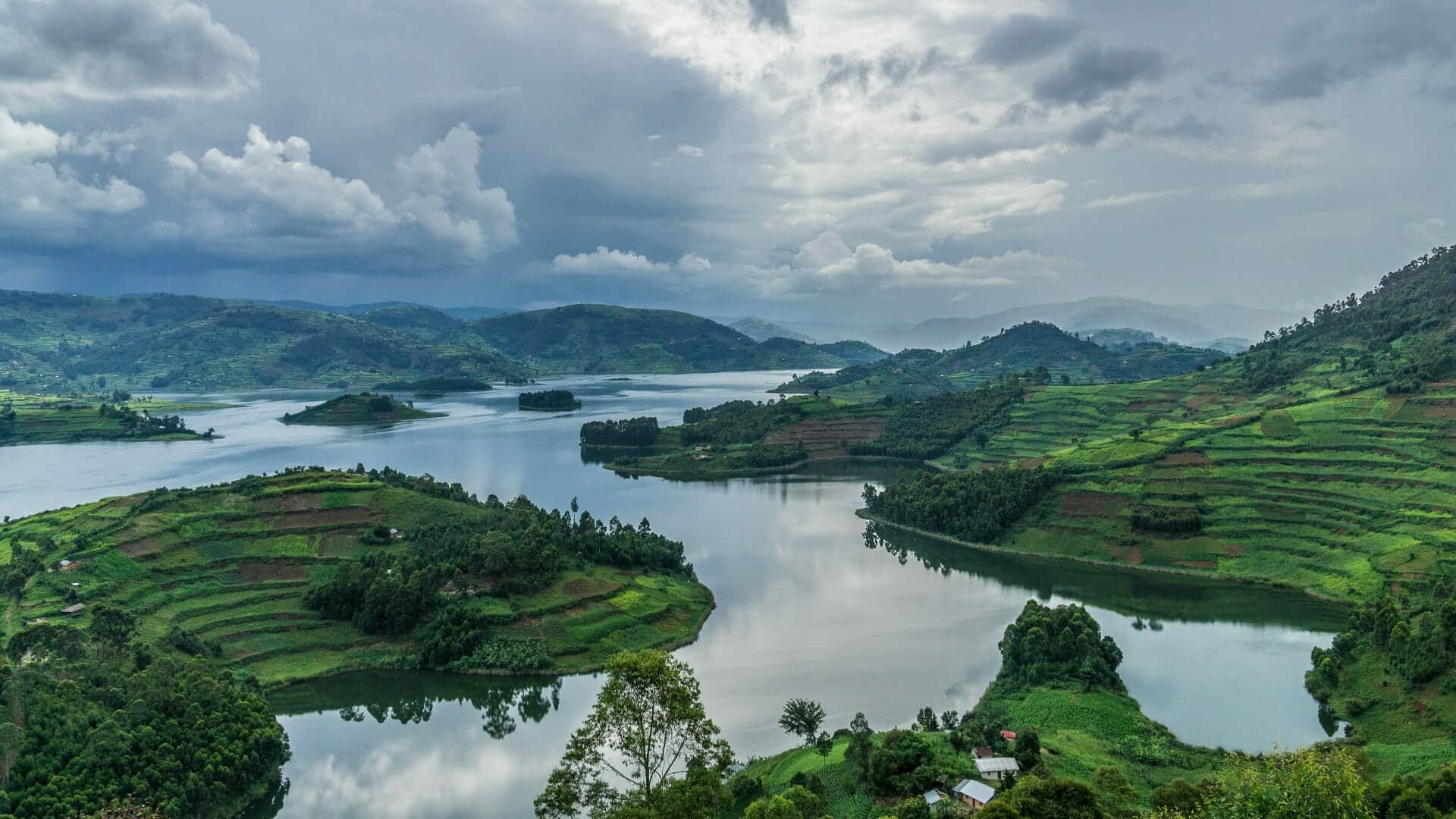
Nestled in the misty highlands of southwestern Uganda, near the border with Rwanda, Lake Bunyonyi is a breathtaking alpine lake often described as the most beautiful in the country—and for good reason. Its name, meaning “place of many little birds” in the local language, is a promise it keeps, with over 200 bird species recorded in the area. For bird lovers and nature seekers, it’s a veritable paradise.
At an altitude of 1,962 meters, Lake Bunyonyi is one of the highest lakes in Africa, surrounded by steep, terraced hills that rise like amphitheaters above its mirror-like waters. The lake boasts 29 islands, each shrouded in history and mystery. From Punishment Island, where unmarried pregnant girls were once abandoned, to Bwama Island, a former leper colony turned peaceful retreat, every stop tells a story.
Unlike most lakes in Uganda, Bunyonyi is bilharzia-free and safe for swimming. It’s also a prime location for canoe excursions, sunrise hikes, and lakeside yoga. Whether you’re relaxing at a rustic eco-lodge or gazing at the stars from a hilltop cottage, Lake Bunyonyi offers serenity, scenery, and soul-stirring moments.
This tranquil gem is an ideal post-gorilla trek escape—just a short drive from Bwindi Impenetrable Forest.
Scenic Beauty and Relaxation
Unlike many African lakes, Lake Bunyonyi is bilharzia-free and crocodile-free, making it one of the safest lakes for swimming. Canoeing at dawn, with mist rising from the surface and birdsong echoing in the hills, is an experience of pure serenity. The lake’s tranquil waters reflect the sky like a mirror, offering postcard-perfect views at every turn.
Cultural and Historical Significance
Lake Bunyonyi holds deep historical roots. One of its most haunting stories is that of Punishment Island, where unmarried pregnant girls were once abandoned as a form of social punishment. Visiting the island with a local guide offers an emotional and educational journey into the lake’s past.
The Bakiga people, native to the area, are known for their rich traditions, dances, and terraced farming. Cultural tours often include homestead visits, craft demonstrations, and traditional cooking classes.
Activities and Lodging
Visitors can enjoy:
Birdwatching
Canoe treks with local guides
Hiking and biking around the lake
Village visits
Popular lodges include BirdNest Resort, Lake Bunyonyi Rock Resort, and Byoona Amagara Island Retreat. These accommodations offer cozy stays with panoramic views.
Travel Advice
Lake Bunyonyi is best visited from June to August or December to February. It’s a perfect add-on after gorilla trekking in Bwindi Impenetrable National Park, just a short drive away.
3. Lake Albert – Safari on the Rift
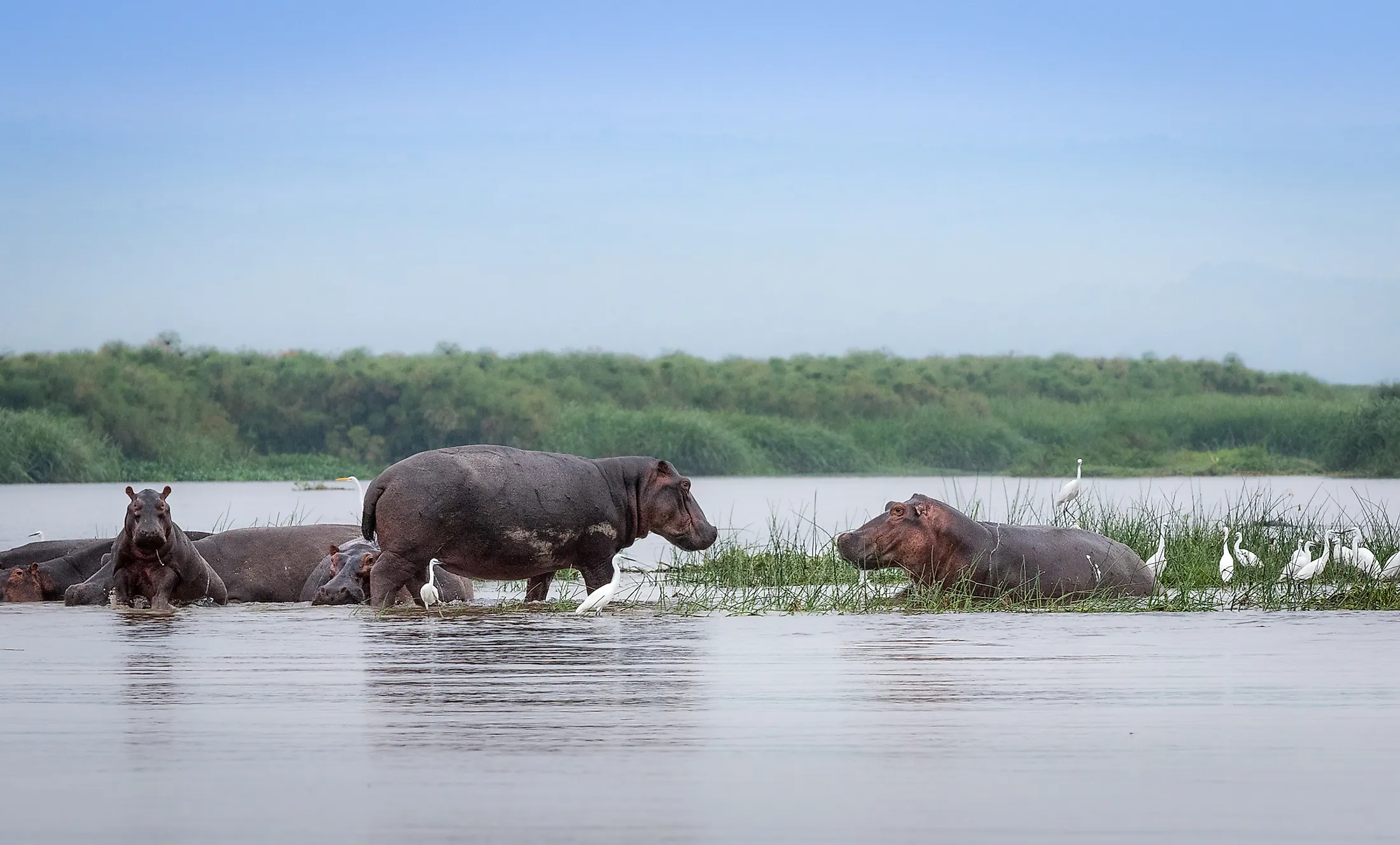
Straddling the western edge of Uganda and the Democratic Republic of Congo, Lake Albert is one of Africa’s most ancient and ecologically vital lakes. Nestled within the dramatic landscape of the Albertine Rift Valley, it’s framed by rugged escarpments, savannah plains, and the Rwenzori Mountains in the distance—creating a striking setting for adventure and exploration.
Lake Albert is fed by the Victoria Nile and is closely linked with Murchison Falls National Park, making it an essential stop on Uganda’s classic safari circuit. Visitors often encounter hippos wallowing near the shore, elephants quenching their thirst, and fishermen in dugout canoes casting nets at sunrise. It’s a dynamic meeting point for wildlife and local culture.
The lake plays a crucial role in Uganda’s economy, particularly through fishing and oil exploration, but it’s also gaining attention for its safari boat cruises, birdwatching, and scenic viewpoints from places like Butiaba Escarpment. Birders will appreciate sightings of shoebill storks, African fish eagles, and various waterfowl.
For travelers seeking an off-the-beaten-path experience with untamed beauty and raw authenticity, Lake Albert delivers. Combine it with game drives in Murchison Falls National Park for a holistic northern Uganda safari experience that blends water, wildlife, and wilderness.
Biodiversity and Natural Resources
Lake Albert is known for its abundance of fish species, especially Nile perch and tigerfish, which attract both commercial and sport fishers. The nearby Murchison Falls National Park is home to elephants, lions, giraffes, and the powerful Murchison Falls — where the Nile River explodes through a narrow gorge.
Birdlife is prolific, with sightings of African skimmers, shoebill storks, pelicans, and herons along the lake’s edges. The shoreline also supports papyrus swamps that serve as breeding grounds for birds and fish.
Cultural Heritage
The Alur and Jonam communities live around the lake and have maintained traditional fishing practices for centuries. Cultural experiences here are immersive, offering insights into indigenous knowledge systems, music, and oral history.
Safari Adventures and Boat Trips
Lake Albert is often included in northern Uganda safari itineraries. Visitors can:
Take a boat cruise along the Nile delta
Visit fishing villages
Combine the trip with a game drive in Murchison Falls National Park
Witness the sunset over the Rift Valley escarpments
Accommodation and Travel Tips
Popular lodges include Baker’s Lodge, Paraa Safari Lodge, and Chobe Safari Lodge. Most visitors arrive through Pakwach or Masindi, with road and charter flight options available.
The best time to visit is during the dry seasons, when game viewing and boat trips are most rewarding.
Suggested: Queen Elizabeth National Park: The Jewel of Uganda
Suggested: Uganda Wildlife Authority – Murchison Falls
4. Lake Edward – Remote and Wild
Tucked between southwestern Uganda and the Democratic Republic of Congo, Lake Edward is a small but ecologically vital lake nestled within the majestic landscapes of Queen Elizabeth National Park. It forms a central part of the park’s wildlife-rich ecosystem, acting as a natural corridor between forest and savannah, and linking two of Uganda’s great water bodies—Lake George and Lake Albert—via the Kazinga Channel.
Fed by glacial streams from the Rwenzori Mountains, Lake Edward supports a diverse range of life both above and below the surface. Its nutrient-rich waters teem with tilapia, catfish, and other aquatic species, sustaining local fishing communities and attracting predators like Nile crocodiles and hippos. Along the lake’s shores, wildlife congregates in dramatic numbers, creating perfect opportunities for safari boat cruises and wildlife photography.
The nearby Kazinga Channel—a 32-kilometer waterway connecting Lake Edward to Lake George—is famous for having one of the highest concentrations of hippos and African fish eagles in Africa. Safari-goers can enjoy up-close views of elephants bathing, buffalo grazing, and dozens of bird species taking flight over the water.
Whether you’re cruising the Kazinga Channel or exploring the southern Ishasha sector for tree-climbing lions, Lake Edward adds depth and diversity to your Queen Elizabeth National Park safari experience.
A Birdwatcher’s and Wildlife Haven
Lake Edward is lesser-known but offers rich biodiversity. Its papyrus-lined shores and open waters attract:
African fish eagles
Saddle-billed storks
Great white pelicans
Goliath herons
Hippos and crocodiles are abundant, and elephants, buffaloes, and even tree-climbing lions can be seen along the lake’s edge.
Safari Add-On Experiences
Game drives in Queen Elizabeth National Park often include the Kazinga Channel cruise, which connects Lake Edward to Lake George. This 32-kilometer stretch offers one of the highest concentrations of hippos in the world.
Visitors can also:
Go birdwatching
Take photography safaris
Visit the nearby salt lakes of Katwe for cultural experiences
Community and Culture
The Banyabindi and Basongora communities offer guided cultural tours, giving insight into traditional pastoralist lifestyles, fishing techniques, and crafts.
Accommodation and Timing
Stay at lodges like Mweya Safari Lodge, Ishasha Wilderness Camp, and Katara Lodge, which offer excellent lake views and close proximity to game tracks.
The best time to visit is June to September and December to February, for optimal wildlife viewing and pleasant weather.
Suggested:
Queen Elizabeth National Park: The Jewel of Uganda
Top 10 Luxury Safari Lodges in Uganda for 2025
Queen Elizabeth National Park – UWA
5. Lake George – UNESCO Biosphere Reserve
While Lake George may be modest in size—covering just about 250 square kilometers—its ecological significance and natural beauty are nothing short of exceptional. Nestled in the eastern section of Queen Elizabeth National Park, just east of Lake Edward, Lake George plays a pivotal role in the Kazinga Channel system, one of the park’s lifelines for wildlife and water flow.
Recognized internationally as both a UNESCO Biosphere Reserve and a Ramsar Wetland of International Importance, Lake George is a biodiversity hotspot teeming with aquatic life, wetland birds, and papyrus-lined shores. Its rich ecosystem supports a variety of species including tilapia, hippos, sitatungas, and countless migratory and resident bird species, making it a paradise for birdwatchers and ecotourists alike.
The surrounding Katwe-Kabatooro region is home to traditional salt mining communities, providing travelers a unique opportunity to witness centuries-old salt extraction methods at the nearby Katwe Salt Lake. Guided boat tours along the lake or into the Kazinga Channel offer spectacular views of wildlife congregating at the water’s edge, from elephants and buffalo to waterbucks and crocodiles.
Whether you’re on a game drive or a birding expedition, Lake George offers an intimate, tranquil complement to the wider Queen Elizabeth National Park safari experience—quietly powerful and endlessly photogenic.
Wildlife and Wetlands
Its shores are fringed with dense papyrus swamps, supporting diverse flora and fauna. Lake George is a key habitat for:
Shoebill storks
Jacanas
African pygmy geese
Marsh mongoose
This protected ecosystem is crucial for migratory birds and acts as a breeding ground for fish and amphibians.
The Kazinga Connection
Lake George feeds the Kazinga Channel, which flows into Lake Edward. This 40-kilometer stretch is famous for boat cruises offering up-close views of:
Hippos basking in the shallows
Nile crocodiles
Elephants and buffaloes cooling off
These boat rides are among Uganda’s most iconic safari experiences.
Conservation and Research
The lake plays a central role in conservation initiatives and is a focus of wetland protection programs. Researchers from Uganda and international institutions regularly monitor the lake for biodiversity and climate studies.
Travel and Access
Lake George can be accessed via Queen Elizabeth National Park. The Jacana Safari Lodge and Mweya Safari Lodge provide comfortable stays and guided tours.
The best time to visit is the dry season (June–August, December–February), when wildlife viewing is optimal.
6. Lake Kyoga – Central Uganda’s Hidden Gem
Located in central Uganda, Lake Kyoga is a vast, shallow freshwater lake that covers over 1,720 square kilometers—making it one of the country’s largest water bodies and a crucial link in the Nile River system. Unlike the deeper, mountainous lakes of western Uganda, Lake Kyoga lies in a broad, low-lying basin and is characterized by its floating papyrus islands, seasonal swamps, and grassy shorelines.
Fed by the Victoria Nile and draining into Lake Albert, Kyoga plays an important role in Uganda’s hydrological and ecological networks. It supports diverse aquatic life, from tilapia and catfish to migratory birds and endemic wetland species. For birdwatchers and ecotourists, the lake’s wetlands are a haven for papyrus gonoleks, shoebills, and herons, making it an underrated gem for ornithological safaris.
Culturally, Lake Kyoga sits at the heart of Buganda and Teso regions, where fishing villages line the shores and traditional canoes glide across the lily-strewn water. It’s a region less frequented by mainstream tourists, offering opportunities for community-based tourism, cultural immersion, and off-the-beaten-path exploration.
If you’re crafting a cross-country safari that connects eastern Uganda with the west, a detour to Lake Kyoga reveals a quieter, deeply authentic side of Uganda—rich in nature, heritage, and charm.
Flora, Fauna, and Fishing
The lake supports a rich biodiversity, particularly of tilapia and catfish, making it a major source of fish for central Ugandan communities. Its papyrus swamps are home to a variety of birds, including the elusive shoebill, herons, and kingfishers.
Lake Kyoga is surrounded by wetlands that support:
Sitatunga antelope
Monitor lizards
Diverse amphibians
Local Life and Culture
Kyoga’s basin is inhabited by the Langi, Iteso, and Baganda people, who depend on the lake for fishing, transportation, and farming. Visitors can tour local fishing villages to witness traditional methods of net fishing, basket traps, and canoe-making.
Challenges and Conservation
Due to its shallow depth, Lake Kyoga is vulnerable to overfishing and invasive vegetation like water hyacinth. Community-based conservation efforts are underway to restore fish stocks and promote sustainable use.
Visiting Tips
Though less frequented by international tourists, Lake Kyoga offers authentic and immersive experiences. Guided birdwatching tours and fishing trips are available, especially from Soroti or Nakasongola.
Accommodations include small guesthouses and eco-lodges like Kyoga Safari Lodge. The best time to visit is during the dry season for easier access and clearer skies.
7. Crater Lakes of Fort Portal & Kibale
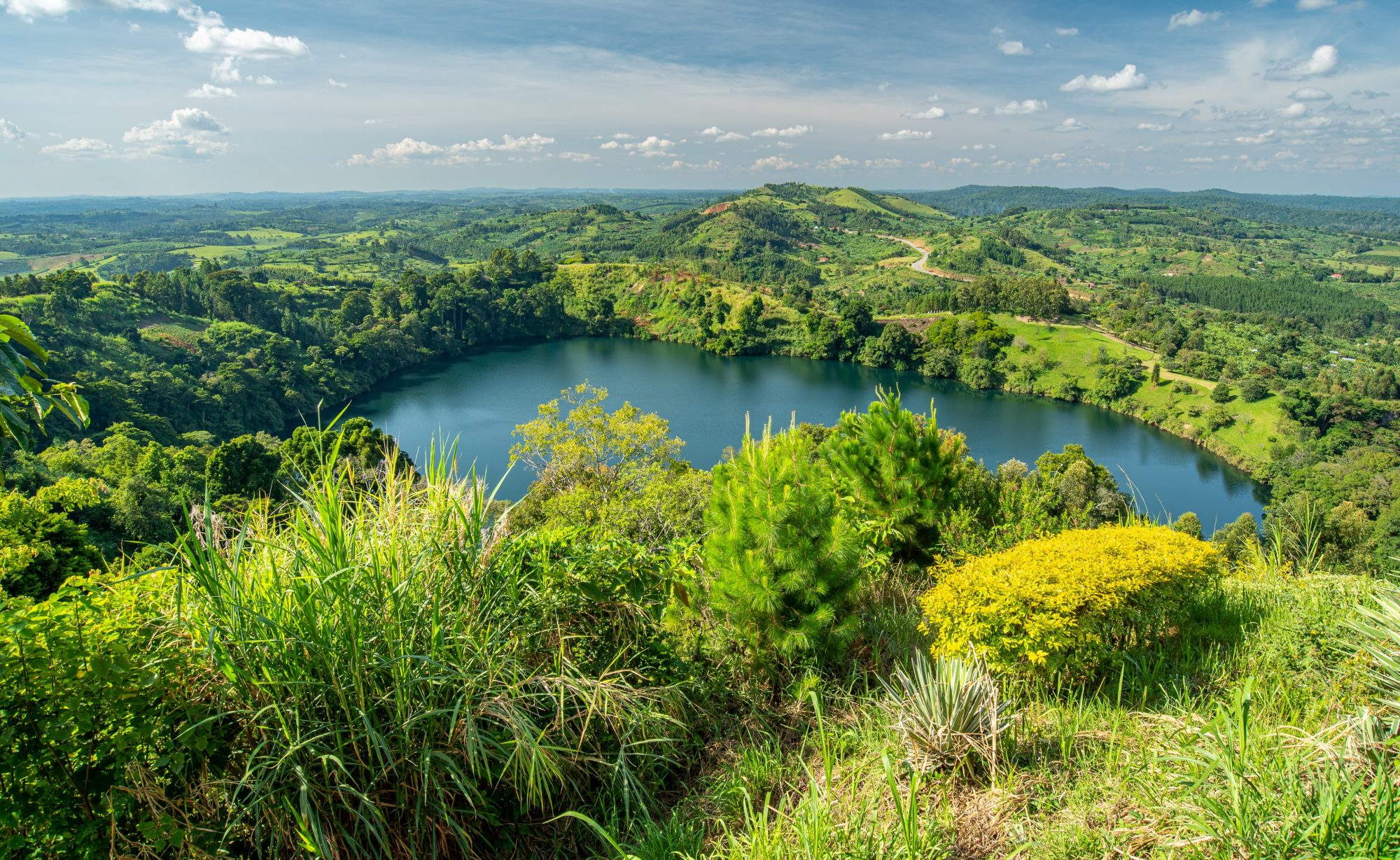
Tucked into the lush, rolling hills of Kabarole District, near the vibrant town of Fort Portal, lies a breathtaking network of over 50 volcanic crater lakes—silent remnants of prehistoric explosions along the Albertine Rift. These sapphire-toned lakes are surrounded by tea plantations, dense forests, and banana-covered slopes, creating an ethereal landscape that feels both otherworldly and warmly welcoming.
Unlike Uganda’s larger lakes, these crater lakes are small, secluded, and brimming with personality. Lakes such as Lake Nkuruba, Lake Nyinambuga, Lake Kifuruka, and Lake Kigere are famed for their glassy reflections, birdlife, and serenity. Many are swimmable, bilharzia-free, and ideal for kayaking, nature walks, and photography. Sunrise and sunset here are nothing short of magical, with mists rising from the water and birds calling through the canopy.
The surrounding region is a haven for eco-tourism. Visitors can stay at charming lakeside lodges, take guided hikes through the Kibale Forest, and enjoy cultural visits with the Tooro Kingdom communities. These lakes also make a perfect stopover before or after a chimpanzee trek in Kibale National Park.
For travelers seeking a serene, soul-stirring escape that combines scenic beauty, cultural depth, and volcanic history, the crater lakes of Fort Portal are simply unmissable.
Breathtaking Beauty and Biodiversity
The crater lakes—such as Lake Nkuruba, Lake Nyinambuga, Lake Kifuruka, and Lake Nyabikere—are surrounded by tea plantations, forests, and banana groves. They are home to vervet monkeys, colobus monkeys, and a variety of bird species including the crowned hornbill and turacos.
Many of these lakes are safe for swimming and offer canoeing or paddleboarding opportunities.
Hiking, Nature Walks, and Stargazing
The area is crisscrossed with scenic trails. Visitors can:
Hike to “Top of the World” for panoramic views
Take guided forest walks around Kibale National Park
Enjoy stargazing in clear, unpolluted skies
Community-Based Experiences
The Toro people welcome guests with open arms. Cultural experiences include:
Basket weaving workshops
Traditional storytelling
Cooking with local families
Stay in eco-lodges or community-owned accommodations like Lake Nkuruba Nature Reserve or Chimpanzee Forest Guesthouse.
Nearby Attractions
Kibale Forest National Park for chimpanzee trekking
Amabere Ga Nyinamwiru caves
Fort Portal’s royal palace and craft markets
Best Time to Visit
June to October and December to February are ideal, with clear skies and dry trails.
Suggested:
Why Kibale is Africa’s Primate Capital
Top Cultural Experiences in Uganda
Why Lakes Matter in Your Uganda Safari Itinerary
Uganda’s lakes are far more than scenic stopovers—they are lifelines of culture, biodiversity, economy, and sustainable tourism. Including them in your safari itinerary transforms your journey from a traditional wildlife tour into a rich, multi-layered experience.
1. Lakes Fuel Local Economies and Preserve Culture
In Uganda, water truly means life. Lakes such as Victoria, Albert, and Kyoga support thousands of fishing communities. Fish like Nile perch and tilapia feed families and generate essential income. Visit any lakeside fish market, and you’ll find a vibrant scene of trade, laughter, and community spirit.
But it goes deeper than commerce. Lakes are woven into Uganda’s cultural fabric—they inspire folklore, traditional music, and ancestral rituals. Lake Bunyonyi, meaning “place of many little birds,” features in countless proverbs and oral histories. Around the crater lakes of Fort Portal, sacred ceremonies still link communities to the spirit of the waters.
When you visit these lakes, you’re not just sightseeing—you’re supporting livelihoods. Through community boat rides, handicraft markets, and homegrown produce, tourism becomes a bridge between you and the people who live in harmony with these lakes.
2. Ecological Marvels and Biodiversity Hotspots
Uganda’s lakes are ecological sanctuaries, rich in flora and fauna. From papyrus swamps to open waters, they’re havens for:
Birdlife: Including kingfishers, cormorants, and the rare shoebill stork
Mammals and reptiles: Such as hippos, sitatungas, and crocodiles
Amphibians and butterflies: Especially around crater lake environments
Some of these lakes are internationally protected:
Lake George is a UNESCO Biosphere Reserve
Lake Bisina is a Ramsar Wetland critical for migratory birds
Crater lakes host primates, civets, and vibrant butterfly species
For birders, photographers, and eco-conscious travelers, these lakes offer once-in-a-lifetime wildlife encounters in serene, unspoiled settings.
3. Tranquil Luxury and Off-Grid Escapes
Uganda’s lakes are also home to some of the country’s most exclusive and peaceful lodges. Imagine:
Waking up to misty mornings over Lake Mutanda with views of the Virunga Mountains
Watching sunsets turn Lake Albert into a canvas of fire from a private balcony
Many lakeside accommodations offer:
Canoeing, paddleboarding, and swimming
Yoga retreats and wellness centers
Gourmet dining with locally sourced, freshly caught fish
Campfire storytelling with local elders and guides
Whether you’re in search of romance, restoration, or a digital detox, Uganda’s lakes provide the calm, rejuvenating energy that many modern travelers crave.
4. A Gateway to Authentic Culture and Connection
Spending time by Uganda’s lakes also invites deeper cultural immersion. These aren’t curated performances—they’re authentic, daily moments of community life:
Ride a dugout canoe with a local fisherman
Join a basket-weaving workshop by Lake Nkuruba
Sample smoked fish and local dishes at a Kyoga lakeshore village
Lakes are social hubs where stories are shared, traditions are preserved, and visitors become part of the rhythm of local life.
How to Include Uganda’s Lakes in Your Safari Itinerary
Adding lakes to your safari brings both adventure and depth. Here are a few itinerary ideas:
Bwindi + Lake Bunyonyi: Gorilla trekking followed by lakeside relaxation
Queen Elizabeth + Lakes George & Edward: Big game drives and boat safaris through bird-rich wetlands
Murchison Falls + Lake Albert: Chase waterfalls, then explore fishing villages and escarpments
Kibale + Crater Lakes: Chimpanzee tracking and crater lake hiking, swimming, and wellness stays
Ready to Explore Uganda’s Lakes with the Experts?
Uganda’s lakes are more than just destinations—they are immersive experiences that refresh the spirit, inspire awe, and create lasting connections. When you plan your journey with Ababa Uganda Safaris, we don’t simply offer tours; we curate soulful adventures that bring you closer to the heart of Uganda. Whether you envision canoeing across misty crater lakes, birdwatching along the tranquil shores of Lake George, or unwinding at a luxury island lodge on Lake Victoria, we ensure every moment becomes a treasured memory. Add a lake or two to your itinerary, and you’ll return home not only with incredible wildlife sightings but with stories, friendships, and memories to cherish forever.
Why Travel with Us?
Tailor-made itineraries blending lakes, wildlife, and culture
Expert local guides who know the hidden gems and authentic experiences
Sustainable tourism that supports local communities and conservation
24/7 personalized support from planning to farewell
Let’s design your dream safari today.
📩 Contact Us
Don’t just visit Uganda—feel it. Live it. Love it—with Ababa Uganda Safaris.
No Comment
You can post first response comment.