

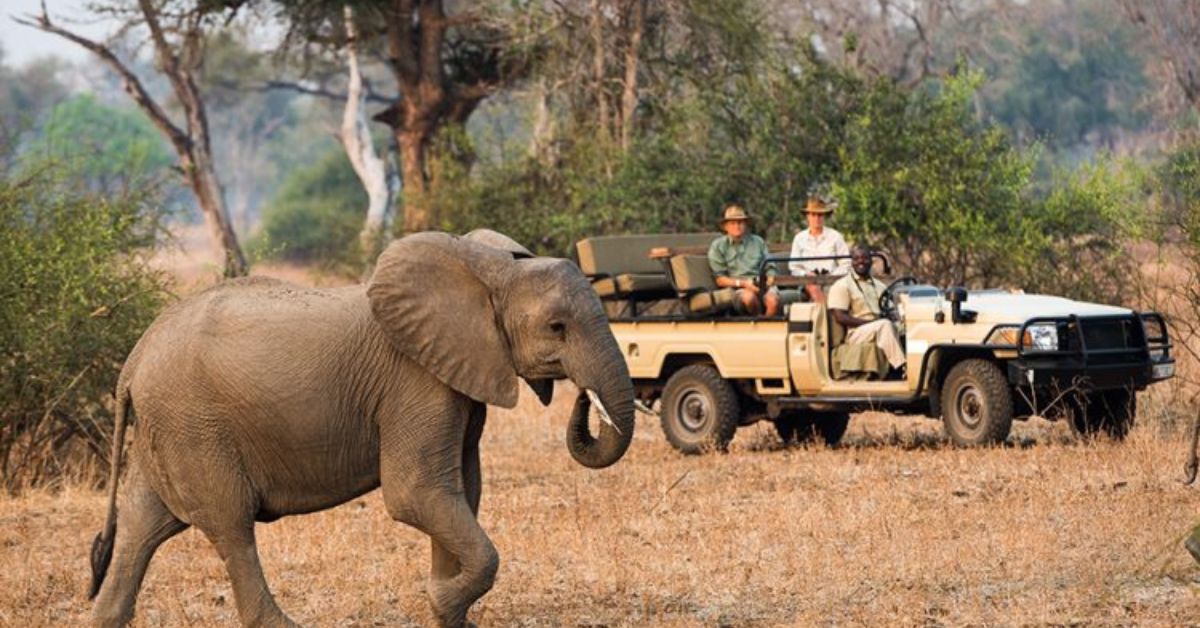
Choosing the best time to go on safari can make all the difference in your African adventure. Timing not only affects the weather but also plays a crucial role in wildlife viewing, game spotting, and the overall experience. Imagine encountering herds of elephants drinking from a watering hole or witnessing a pride of lions during a rare hunt—these moments are often shaped by when you visit.
The ideal time to go on safari varies depending on where you’re traveling, whether it’s East Africa with its famous wildebeest migration or Southern Africa for its iconic game drives. For example, the dry season generally offers the best game viewing because animals tend to gather around water sources, making it easier to spot them. On the other hand, the wet season has its own charm, bringing lush landscapes, fewer crowds, and lower prices.
At Ababa Uganda Safaris, we offer carefully curated Africa trip packages to make sure you experience the best of what Africa has to offer, tailored to the time of year. Whether you’re planning a gorilla trekking adventure in Uganda or a safari in Kenya’s Serengeti, your travel dates will shape the entire journey, from the animals you’ll see to the experiences you’ll enjoy. By choosing the right season, you can make the most of your time in Africa and ensure a truly unforgettable trip.
When is the Best Time to Go on Safari?
When planning your safari, timing is everything. The best time to go on safari can vary across Africa, and it largely depends on where you’re going and what you’re hoping to see. Let’s dive into the optimal months for safaris in both East Africa and Southern Africa to help you decide when to book your adventure.
Best Time to Go on Safari in East Africa: Kenya, Tanzania, Uganda, Rwanda
In East Africa, the ideal months for a safari generally fall between June and October, during the dry season. These months offer the best conditions for game viewing—with less rain, animals are more concentrated around water sources, making them easier to spot. This period is also when the famous wildebeest migration takes place in the Serengeti (Tanzania) and Masai Mara (Kenya). It’s an incredible spectacle where millions of wildebeest and other animals traverse the plains in search of fresh grazing, creating one of the most dramatic wildlife shows on earth.
Additionally, if you’re planning to do gorilla trekking in Uganda or Rwanda, the dry season is also the perfect time. The rainforest treks are more manageable, and the wildlife is easier to track.
Best Time to Go on Safari in Southern Africa: South Africa, Botswana, Zimbabwe, Namibia
For Southern Africa, the best time to visit is generally during the same dry season, from May to October. This is the peak season for safaris in countries like South Africa, Botswana, and Zimbabwe, as the weather is sunny, with very little rain, making it easier to travel and explore. Game viewing is excellent as animals gather around waterholes, and the savannas are less thick, giving you better visibility.
In Namibia, while the dry season is great for wildlife spotting, it’s also the perfect time for exploring the stunning deserts and sand dunes, offering a unique experience beyond traditional safaris.
The Benefits of the Dry Season
The dry season (roughly May to October) is undoubtedly the best time to go on safari, particularly for wildlife viewing. During this period, the weather is generally pleasant, and you can expect:
- Better wildlife spotting: With less foliage and fewer water sources, animals gather around the few remaining watering holes, making them easier to spot.
- Easier travel conditions: Roads are more accessible, and parks are generally easier to explore.
- Bigger crowds: While the dry season offers incredible experiences, it can also be the busiest, so booking your safari well in advance is key.
Whether you’re after safari adventures in Southern Africa or looking to catch the wildebeest migration in East Africa, the dry season remains the optimal choice for an unforgettable safari.
What to Expect During the Wet Season (Rainy Period)
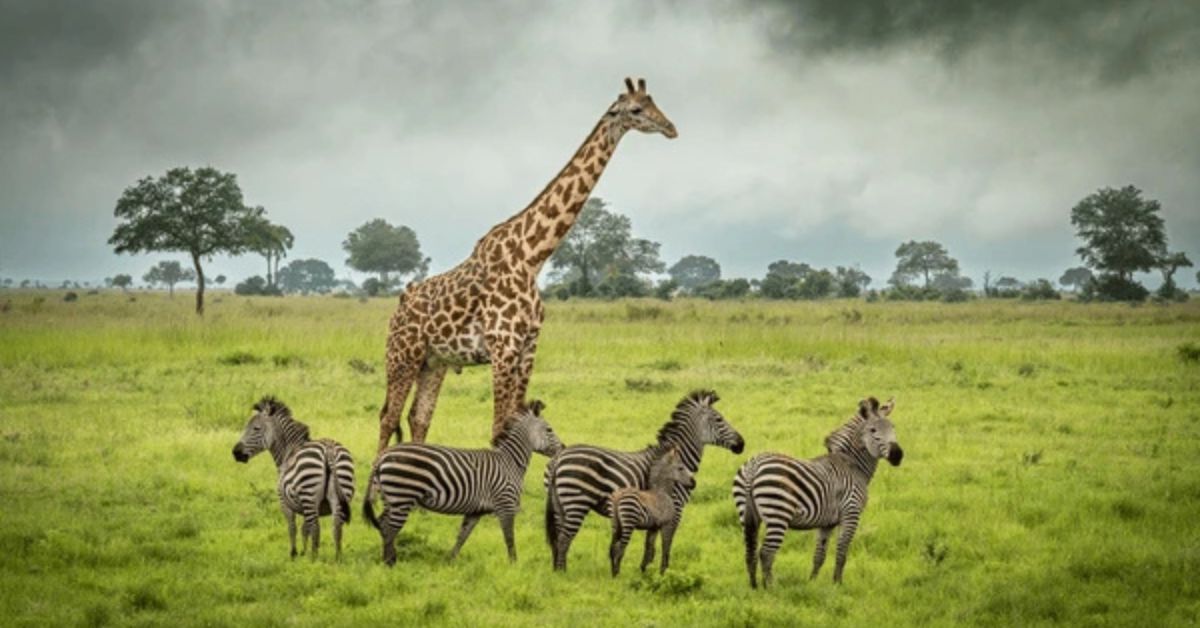
The wet season (typically from November to April) brings a different safari experience, with lush landscapes and fewer tourists. While it’s not the traditional choice for many, the rainy period can offer unique benefits, especially for those looking for a quieter, more affordable adventure.
The Wet Season Across Africa
In both East and Southern Africa, the wet season transforms the landscape into a vibrant green oasis. While it’s rainier in some regions, Uganda and Rwanda experience more sporadic showers, making it ideal for gorilla trekking, where the rainforests become even more magical.
Benefits of the Wet Season for Safari Tours
- Lush Landscapes: The rain fills the land with rich greenery, creating a stunning backdrop for wildlife photography and nature lovers.
- Fewer Crowds: With fewer tourists around, you can enjoy a more peaceful experience, often with game viewing all to yourself.
- Lower Prices: The wet season offers discounted safari tours, making it an affordable time for travelers looking to save.
Ideal Wet Season Activities
The wet season is perfect for experiencing gorilla trekking in the lush rainforests of Uganda and Rwanda. The dense vegetation and rich surroundings make wildlife encounters even more special. Additionally, the rain showers often leave room for beach holidays along the coast of Kenya or Tanzania.
When It’s Not the Best Time to Go on Safari
While the wet season can be a great time for some, there are certain months when going on safari might not offer the best experience. Understanding when not to go on safari is just as important as knowing the optimal months, as the extreme weather conditions and travel challenges can significantly affect your adventure.
Challenges of the Wet Period
The wet season (typically November to April) brings heavy rains that can create several challenges for safari-goers. Though it’s less crowded, the rain can make certain areas harder to navigate:
- Mud and Flooded Roads: Many parks, especially in East Africa, can become difficult to access due to muddy, flooded roads. This can make safari travel slow and uncomfortable, and some areas may even be temporarily closed.
- Limited Wildlife Viewing: The lush greenery of the rainy season might make wildlife harder to spot, as animals have more cover and don’t gather as readily around waterholes. It’s also more challenging to track animals during wetter periods.
Extreme Weather Conditions
Some regions may face extreme weather, such as the intense rains in places like South Africa or Zimbabwe, which can cause temporary disruptions in park operations. Additionally, strong winds, thunderstorms, and heavy downpours can make safari activities less enjoyable, especially for those looking for a sunny safari experience.
Parks with Limited Access or Enjoyment
Certain parks or regions might be harder to explore during the wet season. In areas like Namibia’s desert regions, heavy rains can affect your ability to explore the sand dunes, while Kenya’s Mara can become quite inaccessible during downpours.
It’s best to avoid these months if you’re aiming for the traditional game viewing safari or if you want an easier time getting around.
Best Time for Wildlife Viewing and Safari Adventure
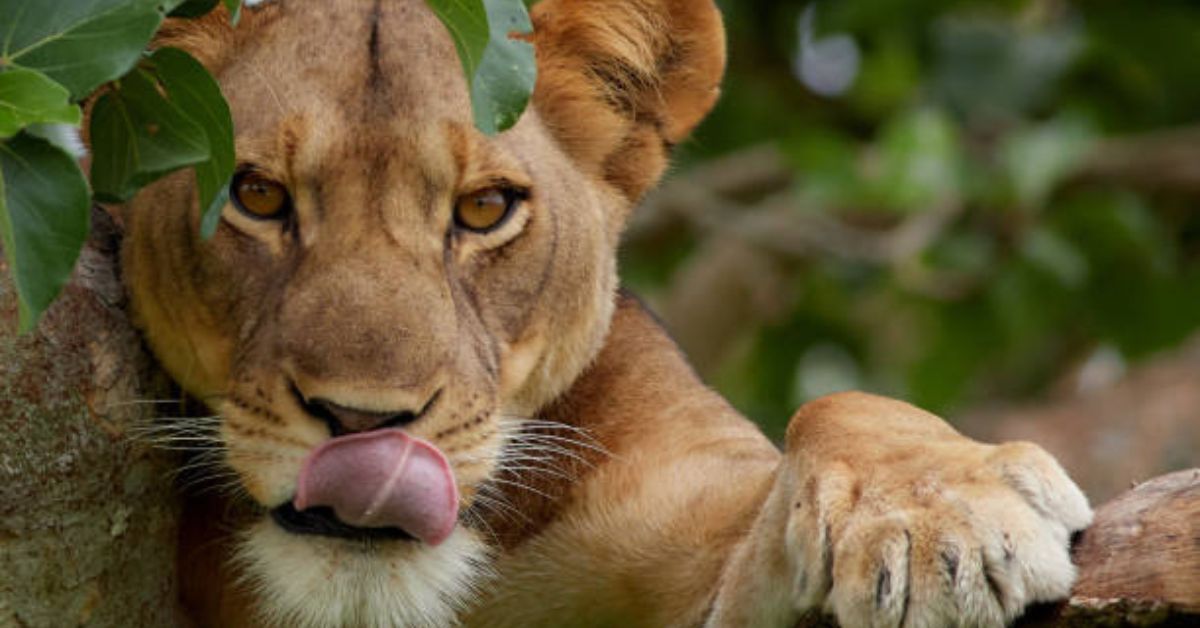
The dry season, typically from June to October, is considered the best time for an African safari. With less rainfall and vegetation thinning out, the dry months create perfect conditions for wildlife viewing and a more enjoyable safari experience.
Why the Dry Season is Best for Safari Adventures
During the dry season, animals gather around water sources, making it easier to spot them, especially in places like Kenya’s Serengeti and Botswana’s Okavango Delta. The absence of lush, green foliage provides clear sightlines for game viewing, allowing for some of the most exciting moments on a safari.
- Better Wildlife Spotting: With fewer waterholes and the landscape becoming drier, animals are drawn to the remaining water sources. This makes safari viewing much easier, as you’ll often find wildlife congregating around these areas.
- Easier Travel Conditions: The dry conditions make traveling through the parks smoother, as roads are less likely to be muddy or impassable. This ensures that you can fully enjoy your safari adventure without worrying about weather-related delays.
Best Game Viewing in Different Regions
- Kenya’s Serengeti: The dry season is perfect for spotting the famous wildebeest migration and a variety of predators. The open plains make animal watching thrilling, especially during the Great Migration.
- Botswana’s Okavango Delta: The dry months bring animals from all corners of the region to the Okavango’s seasonal floodplains, making it an ideal time for safari adventures. The floodwaters fill up the delta’s channels, creating stunning views for wildlife watching.
- Uganda and Rwanda: While these countries are more known for gorilla trekking, the dry season is still the best time for tracking gorillas and spotting other wildlife in the national parks, as the trails are easier to navigate.
How to Choose the Right Africa Trip Package for Your Safari
Choosing the right Africa trip package depends on the timing of your safari. The time of year impacts your experience, costs, and available activities. Here’s a quick guide to help you make the best choice.
How Timing Impacts Your Safari Experience
- Cost: Dry season safaris are typically more expensive due to higher demand, while wet season trips are cheaper.
- Available Activities: Some activities, like gorilla trekking and wildebeest migration safaris, are best during specific seasons.
- Safari Experience: The dry season offers better wildlife sightings as animals gather around water sources, while the wet season offers lush landscapes and fewer crowds.
Booking Tours Based on Activities
- Gorilla Trekking: Book during the dry season (June to October) for the best conditions and easier trails.
- Wildebeest Migration: For the Great Migration, travel between July and September to witness the dramatic river crossings.
- Beach Holiday + Safari: Combine a beach holiday with a safari during the dry season for the best of both worlds.
Tips for Booking the Right Africa Trip Package
- Consider Interests: If wildlife viewing is your priority, the dry season is ideal. For a quieter experience, the wet season is perfect.
- Book Early: Safari packages in peak season can fill up fast, so it’s wise to book early.
Cheapest Time for a Safari
If you’re looking to save money on your safari adventure, the wet season or shoulder months are usually the most affordable times to go. While the dry season brings peak demand and higher prices, the wet period offers great savings and unique experiences.
When Safari Prices Are Lowest
- Wet Season (Rainy Period): This is the cheapest time for a safari. The lower prices make it a more budget-friendly option for travelers. Though there might be rain, the safari experience is still rewarding with lush landscapes and fewer tourists.
- Shoulder Months: The months just before or after the peak season are also a great time to get more affordable rates. These shoulder months offer a balance of good weather and fewer crowds, perfect for a more relaxed safari.
Benefits of the Wet Season
- Fewer Crowds: The wet season tends to see fewer tourists, allowing for a more intimate safari experience. With less crowded parks, you get to enjoy wildlife viewing without the bustle of peak season.
- More Affordable: As the demand drops, prices for both tours and accommodations decrease, making it easier on your wallet.
- Great Wilderness Journey: Despite the rain, the wet season offers a beautiful wilderness journey. The landscapes are lush, and some animals, like migratory birds, are more active during this time. It’s also a fantastic opportunity for gorilla trekking in places like Rwanda and Uganda.
Conclusion
Choosing the best time to go on safari is crucial for making the most of your African journey. Whether you’re looking for the thrill of game viewing during the dry season or seeking a quieter experience during the wet season, understanding how timing affects your safari is key.
Key Takeaways:
- The dry season is perfect for wildlife spotting, offering easy travel conditions and great safari adventures.
- The wet season is ideal for those looking for lower prices, fewer crowds, and lush landscapes, making it a hidden gem for many.
- The right time for activities like gorilla trekking and the wildebeest migration varies, so planning your trip around these events can make your safari unforgettable.
- Consider Africa trip packages that suit your ideal safari experience, whether it’s a beach holiday, game viewing, or gorilla adventure.
Ready to embark on your next safari? Plan your ideal safari adventure with Ababa Uganda Safaris. We offer personalized Africa trip packages to Uganda, Kenya, Tanzania, and Rwanda, tailored to match the best times for your dream safari experience.
Frequently Asked Questions
1. What should I pack for an African safari?
When preparing for an African safari, pack lightweight clothing in neutral colors, sturdy walking shoes, sunscreen, insect repellent, and a good pair of binoculars for wildlife spotting. Don’t forget a hat, sunglasses, and a camera to capture the unforgettable moments.
2. Are African safaris safe?
Yes, African safaris are generally safe when you book with a reputable tour operator and follow the guidance of your guides. They ensure your safety while navigating the wilderness and provide tips for staying secure around wildlife.
3. How long should an African safari last?
The duration of an African safari depends on your budget and interests. Most safaris range from 3 to 10 days, offering a balance of activities like game drives, cultural experiences, and relaxation.
4. What are the best safari destinations in Africa?
Top safari destinations include:
- East Africa: Kenya’s Maasai Mara, Tanzania’s Serengeti, Uganda for gorilla trekking, and Rwanda for mountain gorillas.
- Southern Africa: South Africa’s Kruger National Park, Botswana’s Okavango Delta, Zimbabwe’s Hwange National Park, and Namibia’s Etosha National Park.
5. Can I customize my Africa trip package?
Absolutely! Many tour operators, including Ababa Uganda Safaris, offer customizable Africa trip packages to match your preferences, budget, and the best time for your desired safari activities.
6. What kind of accommodation is available on a safari?
Safari accommodations vary widely, from luxury lodges and tented camps to budget-friendly camping options. Choose based on your comfort level and the experience you’re seeking.
7. Do I need travel insurance for a safari?
Yes, travel insurance is highly recommended. It covers medical emergencies, trip cancellations, and other unforeseen situations that might arise during your safari adventure.
No Comment
You can post first response comment.